 Gift vouchers online
How to set the validity period of a voucher (and what the law says)
How many months to choose, how to deal with expired vouchers, when to extend their validity, and what the Czech regulations say on the matter. Practical advice, without legal jargon.
· 6 min read
The validity period of a gift voucher is one of those things that you set once and then forget about. Yet it is precisely this that causes the most unpleasant situations: the recipient turns up a week after the expiry date, the voucher has been lost in a drawer, or a customer wants a refund for an expired voucher. Let’s take a look at what validity period to choose, how to deal with expired vouchers, and what Czech regulations have to say on the matter.
Please note: this article summarises general information and practice. It does not constitute legal advice. Interpretations may vary depending on the specific situation, so please consult a lawyer regarding important decisions – particularly the wording of terms and conditions.
Is the validity of a voucher governed by any law?
In the Czech Republic, there is no specific law on gift vouchers that sets a minimum or maximum validity period. The sale of vouchers is governed by the general rules of the Civil Code on contracts and – if you are selling to consumers – by consumer protection rules.
In practice, this means that you, as the seller, determine the validity period. However, the customer must be made aware of this in advance: it must be stated on the voucher, in the purchase form and in the terms and conditions. A condition of which the customer only becomes aware after payment has been made is unenforceable.
What validity period to choose
The most common durations are 6 or 12 months. Each option has its pros and cons:
- 3 months – suitable only for seasonal offers, such as a summer menu or a specific promotion. For standard gifts, this can seem off-putting; the recipient may not manage to find a suitable time to use it.
- 6 months – encourages quicker redemption and gives you a better overview of your commitments. For Christmas vouchers, however, this means the validity period ends as early as June.
- 12 months – the most convenient for the customer and the most common choice. The recipient can find a suitable date at their leisure.
- More than a year – suitable for more expensive experiences or services that involve a waiting period (such as holiday breaks).
If you’re unsure, start with 12 months. Customers appreciate a longer validity period, and it won’t actually increase the number of vouchers that go unused – these tend to go unused because people forget rather than because of a short validity period.
State a specific date
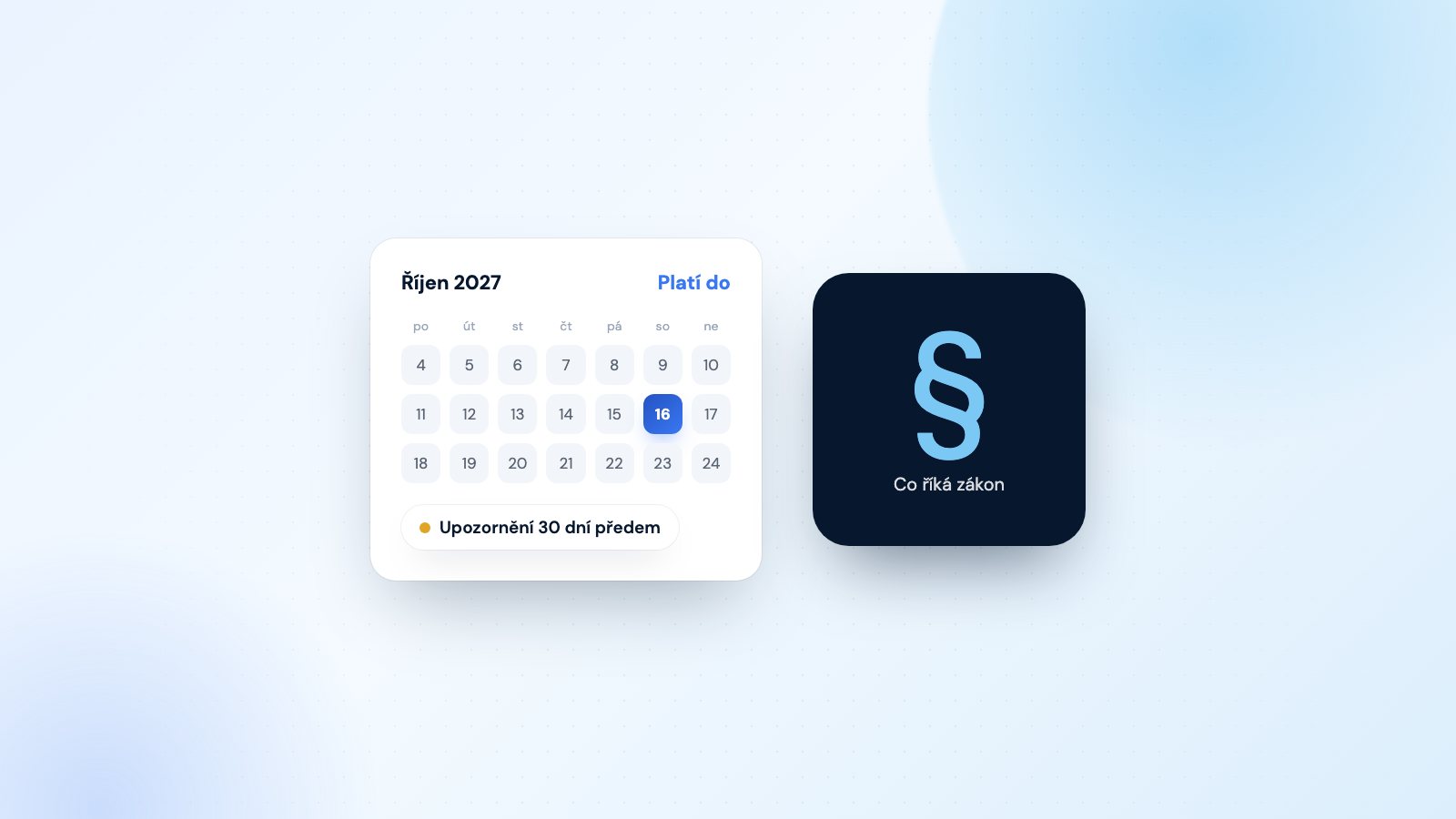
The voucher should state the date until which it is valid, for example, ‘valid until 15 December 2027’. The wording ‘valid for 12 months from purchase’ is impractical for the recipient: they do not know when the giver bought the voucher. In Vouchermat, the expiry date is calculated from the date of purchase and printed on the voucher automatically.
What happens when a voucher expires
The situation here is less clear-cut than is often claimed. The rule that “an expired voucher is forfeited and no refund is given” can be found in the terms and conditions of many businesses, but its enforceability is not guaranteed.
The customer has paid for the voucher, and if the service was never provided, there are arguments that they may be entitled to a refund, for example on the grounds of unjust enrichment. The general limitation period under the Civil Code is three years. The outcome of a specific dispute depends on the circumstances: the wording of the terms and conditions, how clearly the validity was communicated, and whether the customer is a consumer.
In practice, it is therefore advisable to:
- to state the validity period clearly on the voucher and in the terms and conditions,
- not to resist an amicable solution in the case of expired vouchers – an extension is cheaper than a dispute and negative reviews,
- consult a solicitor in the case of larger sums or repeated disputes.
A voucher order form in 10 minutes
Free, no card and no commission.
Extending the validity period
Extending the validity period is the most common and sensible solution. The recipient comes in, you get a customer, and the money is already in your account anyway. A few rules that have proven their worth:
- decide in advance whether you’ll extend validity free of charge or for a fee, and state this in your terms and conditions,
- extend for a reasonable period, typically 1 to 3 months,
- for a voucher for a service whose price has risen in the meantime, decide whether you’ll require an additional payment,
- make a note of the extension so that the whole team is aware of it.
In Vouchermat, you can extend the validity in the order details or directly in the mobile app after scanning the voucher. The change will be saved in the voucher’s history.
The best prevention: a reminder before the expiry date
Most vouchers do not expire because the recipient is not interested in them, but because they forget about them. A short email a week or a month before the expiry date will reliably prevent this. Vouchermat sends it automatically – in the settings, you can choose whether to send it 7 or 30 days in advance. Fewer expired vouchers mean fewer disputes and more satisfied customers.
And what about accounting and VAT?
The money received for a sold voucher is, in essence, an advance payment for a future service until the voucher is redeemed. How sold, redeemed and expired vouchers are accounted for, and when VAT is payable, depends on the type of voucher (single-purpose or multi-purpose) and whether you are a VAT payer. Always discuss this with your accountant – the rules are technical and mistakes are difficult to rectify retrospectively.
Summary
- There is no specific law governing the validity of vouchers in the Czech Republic; you determine the validity period yourself.
- The most common validity period, and the one most convenient for customers, is 12 months.
- Write a specific expiry date on the voucher.
- The rule that ‘an expired voucher is forfeited’ may not always be enforceable; a goodwill extension is often the best solution.
- Send a reminder before the expiry date – this will prevent most problems.
- Discuss accounting and tax matters with your accountant, and legal matters with a solicitor.
You can set up and test validity, extensions and automatic reminders in Vouchermat on the Free plan.